 Call
Call 
Astoria is not a city that hides its past. It wears history the way its Victorian homes wear their widow’s walks – proudly, and with a view. From the moment Lewis and Clark’s Corps of Discovery stumbled to the Pacific shore in 1805 to the Finnish and Scandinavian fishing families who built the canneries along the waterfront, every block of this town has a story worth slowing down for.
The good news? You don’t need a week to feel it. Forty-eight hours, a good pair of walking shoes, and the right home base will do just fine.
That home base is here – at Clementine’s Guest House, right in the heart of Astoria’s historic Exchange Street neighborhood. We’re not just close to history; we’re sitting inside it.
Why Clementine’s Is the Right Place to Start
Our 1880s home on Exchange Street puts you within easy walking distance of Astoria’s most celebrated landmarks – many of them just blocks away. Guests often tell us the location alone is half the experience. One reviewer described it simply: “We could walk to museums and all the best quirky spots of Astoria.”
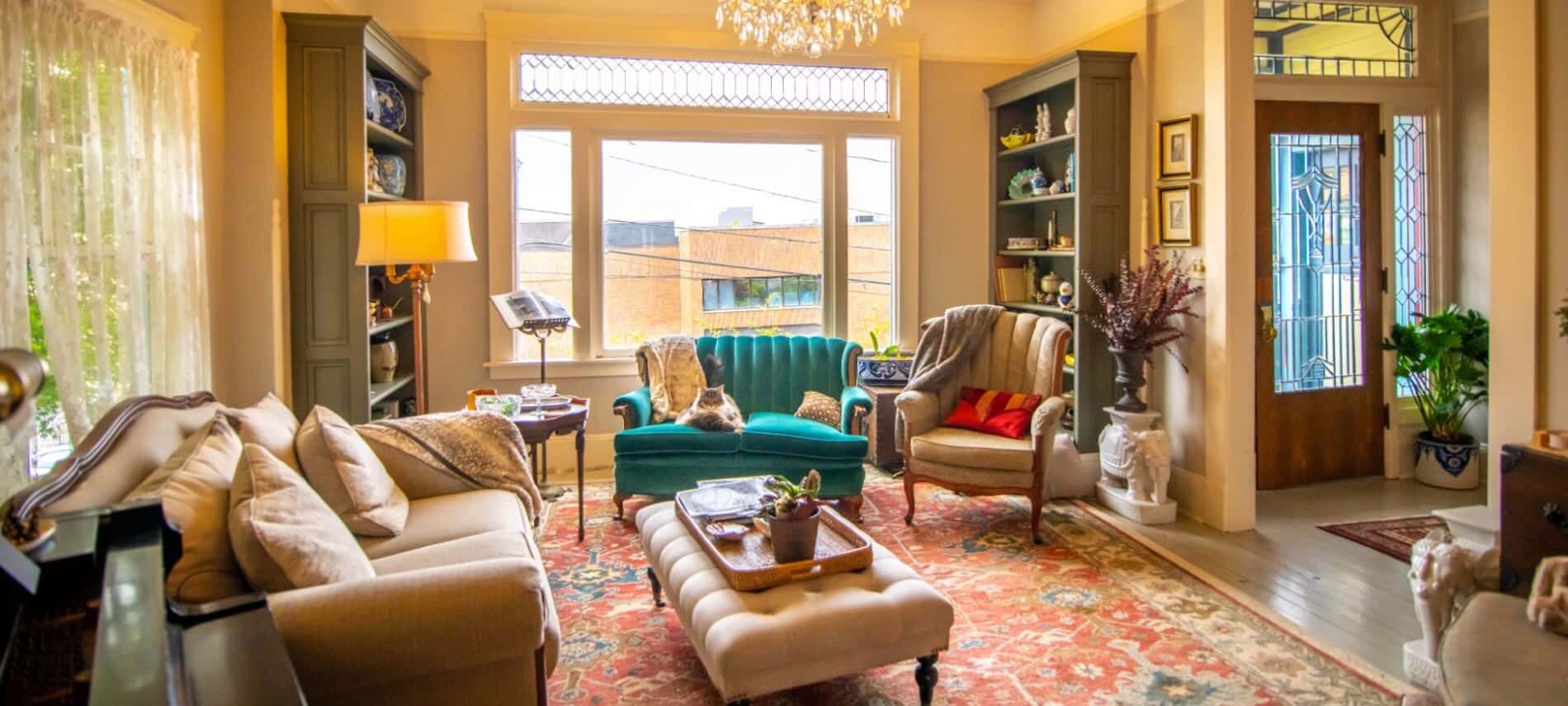
We’ve tucked in tea service, chocolates, a writer’s nook, and a balcony porch for the moments between adventures. No TV, no noise – just the kind of quiet that invites you to pay attention to where you actually are. And where you are happens to be remarkable.
Day One: The Street You’re Already Standing On
Morning – Step Outside and Look Around
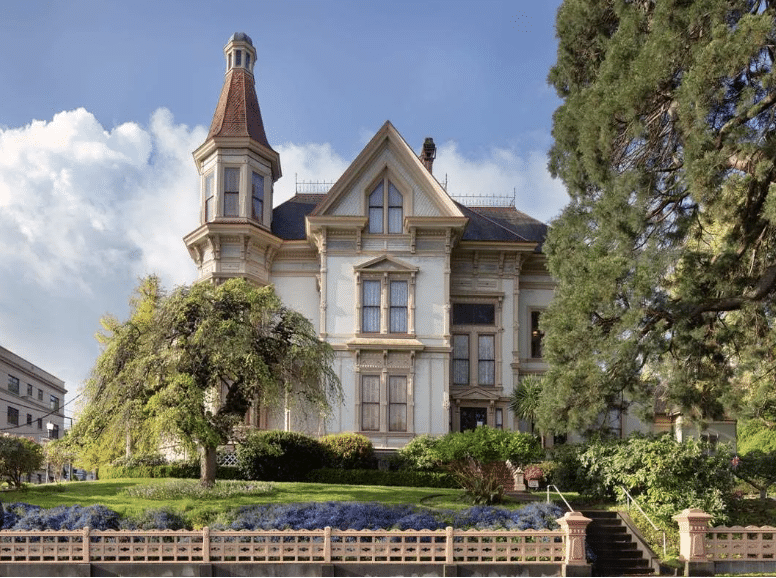
Before you even leave Exchange Street, you’re already at a landmark. The Flavel House Museum sits just two blocks from our front door at 714 Exchange St, and it is one of the finest Victorian mansions in the Pacific Northwest.
Built in 1885 for Captain George Flavel – a Columbia River bar pilot who became Astoria’s first millionaire – this Queen Anne showplace sprawls across an entire city block at over 11,000 square feet. Rooms are preserved with period furnishings, many original to the Flavel family, and the curated labels throughout make it genuinely educational rather than just decorative. The Clatsop County Historical Society nearly lost it to a parking lot in the 1940s. Instead, they saved it – and it remains one of the best-kept Victorian interiors you’ll find anywhere west of the Mississippi. Plan on an hour, minimum.
Midday – Cross the Street to the Columbia River Maritime Museum
The Columbia River Maritime Museum is directly across Marine Drive from our neighborhood and is, frankly, one of the finest regional maritime museums in the country. Housed in a dramatic wave-shaped building on the waterfront, it covers the full sweep of Columbia River history – from Indigenous canoe culture to the brutal era of bar crossings that claimed hundreds of ships, to the Coast Guard operations that still define the mouth of the river today.
Highlights include actual vessels displayed inside the building, a Coast Guard rescue simulation that’s surprisingly gripping, and a hurricane machine that earns a genuine crowd every hour. Your admission also gets you aboard the lightship Columbia, moored outside – a decommissioned floating lighthouse that guided ships through the bar for decades. Give it 90 minutes to two hours.
Afternoon – Walk the Historic Downtown Waterfront
With the river at your back, spend the rest of the afternoon wandering Astoria’s historic commercial district. The ornate facades along Commercial Street date from the late 19th and early 20th centuries, built during the city’s boom as a salmon-canning hub. The Astoria trolley (when running seasonally) follows the old streetcar line along the riverfront – a leisurely way to take in the cannery-era waterfront buildings.
Keep an eye out for the Bumble Bee Cannery building and the old Fisher Brothers Cannery – these weathered structures give you a real sense of the industrial muscle that once made Astoria one of the wealthiest cities on the Oregon coast.
End your afternoon with coffee or an early dinner in the Uniontown neighborhood at the west end of town, a historically Scandinavian and Finnish quarter that still carries the character of its immigrant heritage.
Day Two: Going Deeper into the Story
Morning – Climb the Column, Learn the Whole Picture
The Astoria Column at the top of Coxcomb Hill is a 125-foot-tall monument covered in a continuous spiral frieze depicting the key chapters of Pacific Northwest history – from Indigenous life along the Columbia to the arrival of the Astor fur trading expedition to statehood. It’s beautiful, and it’s a genuine lesson in regional history if you take time to walk the frieze before climbing the 164 steps to the top.
The panoramic view from the summit is extraordinary – the Columbia River meeting the Pacific, the Astoria-Megler Bridge stretching four miles to Washington, and the green hills of the coast range spreading in every direction. Parking is $5; the climb is free.
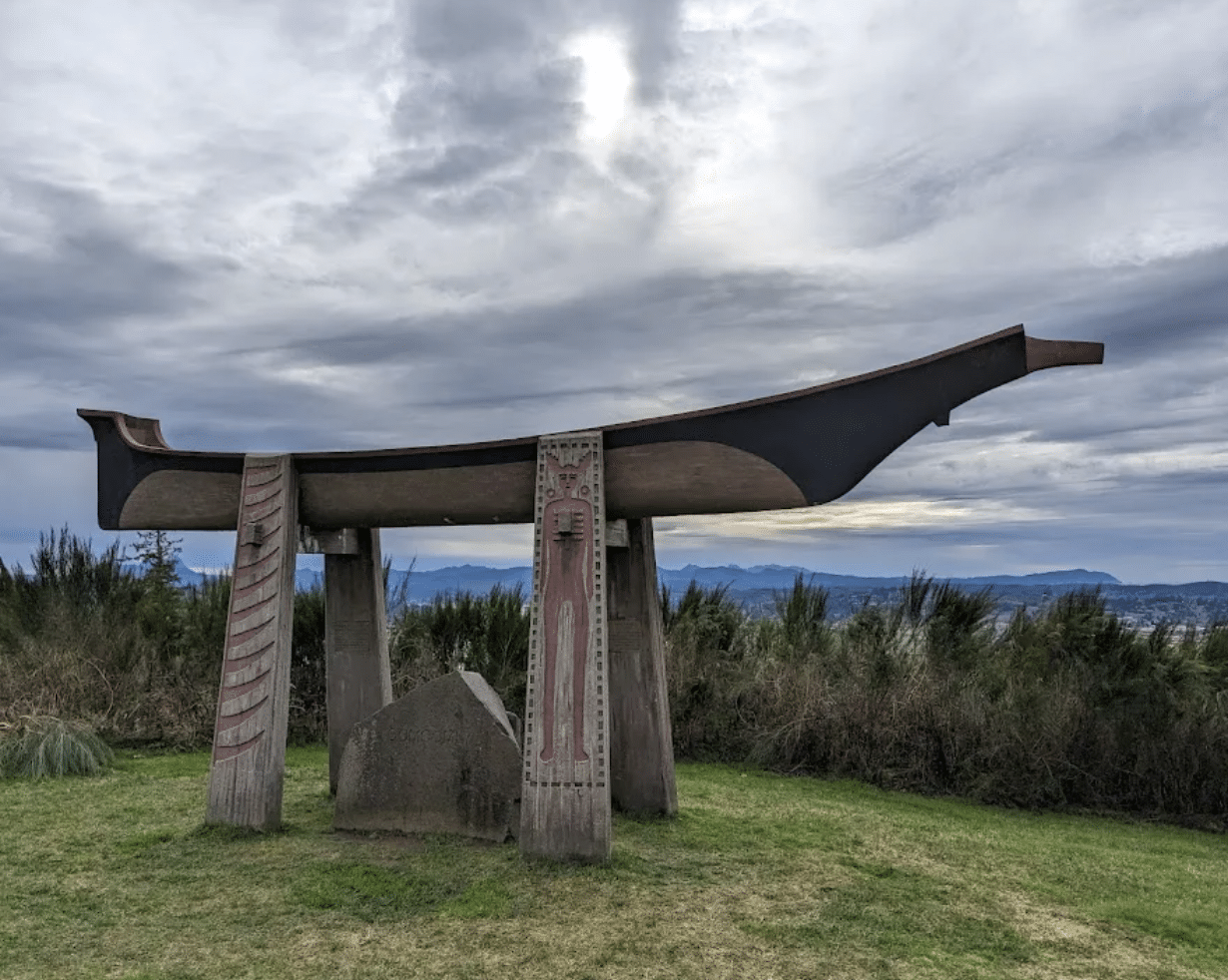
Just beside the Column’s gift shop, don’t miss the Comcomly Memorial – a tribute to the great Chinook leader who played diplomat and merchant between his people and the early American settlers and fur traders. It adds a crucial Indigenous perspective to the story the Column itself tells.
Midday – Fort Clatsop and the Lewis & Clark Story
A short drive south of town (about 15 minutes) takes you to Fort Clatsop, the centerpiece of Lewis and Clark National Historical Park. This is where the Corps of Discovery spent the winter of 1805–1806 – enduring rain, cold, and monotony – after completing their continent-crossing journey to the Pacific.
The reconstructed fort is small and deliberate, which is exactly the point. Standing inside it, you understand the cramped conditions and the months of waiting these explorers endured before they could turn east again. The visitor center is genuinely strong, with exhibits covering not just the expedition but the Clatsop and Chinook peoples who already called this land home. Trail walks take you to the canoe landing on the Lewis and Clark River, where the landscape has barely changed.
Ranger-led programs (especially in summer) bring the history to life in ways that no exhibit can. One visitor described a ranger’s storytelling as being “like being transported around a fire hearing first-hand accounts.”
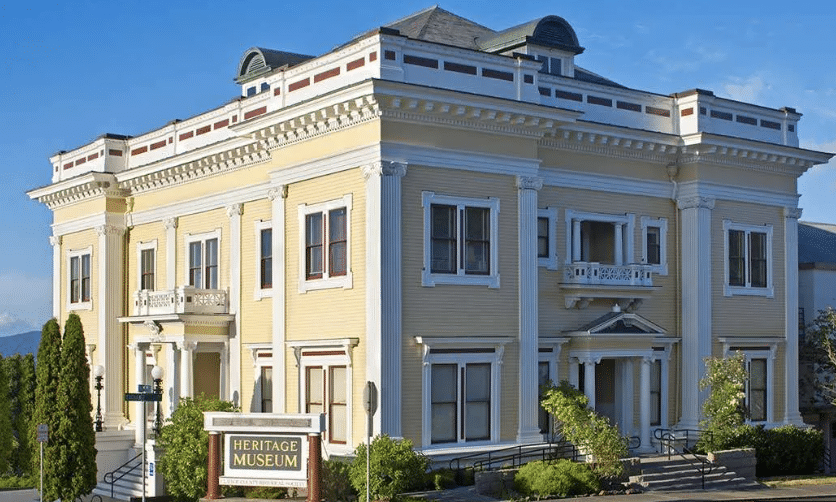
Afternoon – The Heritage Museum & the Stories in Between
Back in town, the Heritage Museum (operated by the Clatsop County Historical Society at 1618 Exchange St) rounds out the picture with deep dives into Finnish and Scandinavian immigration, the salmon canning industry, and Astoria’s development as Oregon’s first American settlement west of the Rockies. It’s a quieter, more intimate experience than the Maritime Museum – good for the final hours of a history-focused trip when you want depth over spectacle.
From there, walk back down Exchange Street toward Clementine’s. You’ll pass Victorian homes, craftsman bungalows, and the occasional blank wall painted with murals that tell the city’s story in bold color. Pour a cup of tea on the porch, and reflect on the two hundred years of history you’ve just walked through.
Practical Notes for the Historian Traveler
- Most landmarks are walkable from Clementine’s, including the Flavel House and the Maritime Museum. The Column and Fort Clatsop require a short drive.
- Start early at popular sites. The Astoria Column and Fort Clatsop are best on weekday mornings when crowds are thin.
- Bring a National Park pass if you have one – it covers Fort Clatsop admission.
- The Maritime Museum fills up on summer weekends. A weekday visit gives you the exhibits at a more leisurely pace.
- We’re happy to help with maps, recommendations, and directions. That’s what a good home base is for.
Book Your Stay at Clementine’s Guest House
History has never had a more comfortable starting point.
Clementine’s Guest House is a charming historic inn in the heart of Astoria, Oregon. Our guests enjoy walkable access to the city’s most celebrated landmarks, warm hospitality, and the kind of quiet that lets you truly arrive somewhere.